OPTIONAL THEMES (PART 2): KNOWLEDGE & POLITICS, RELIGION, AND INDIGENOUS SOCIETIES
OPTIONAL THEMES (PART 2): KNOWLEDGE & POLITICS, RELIGION, AND INDIGENOUS SOCIETIES
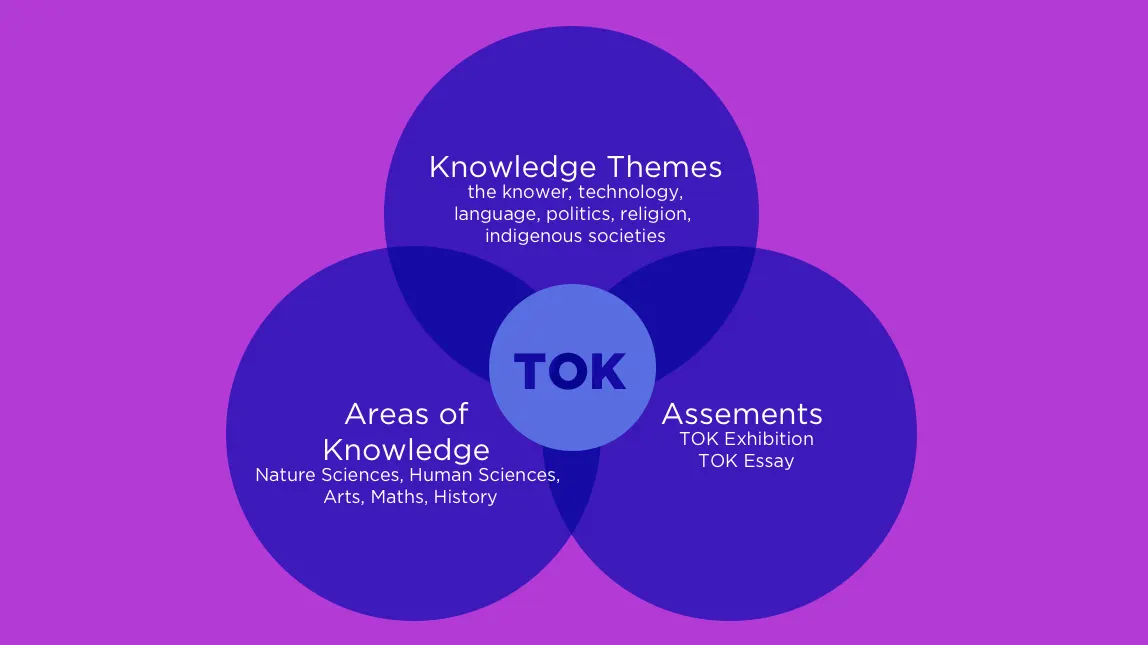
This article explores three of the most perspective-driven and ethically significant topics in Theory of Knowledge (TOK):
- Knowledge & Politics
- Knowledge & Religion
- Knowledge & Indigenous Societies
PART A – KNOWLEDGE & POLITICS
1. Knowledge and Power
Knowledge is not always neutral. Those in positions of power may:
- Define what counts as “truth”.
- Control information.
- Erase or distort historical accounts.
- Restrict public discourse.
TOK Question:
Who decides what is accepted as knowledge?
2. Key Issues
Propaganda & Misinformation
Governments or interest groups may use:
- Media.
- Slogans.
- Statistical data.
- Images.
…to create the impression that certain claims represent “valid knowledge”, even when they are false.
Censorship & Access to Knowledge
When a society restricts access to information, knowledge becomes incomplete or distorted.
Examples include:
- Censorship of library collections.
- Restrictions on topics discussed on social media.
- Rewriting historical textbooks.
The Politicisation of Science
Scientific knowledge can be distorted or manipulated for political purposes, particularly in areas such as climate change, vaccines and infectious diseases.
3. Suggested Activities
- Analyse historical propaganda posters.
- Compare two conflicting news sources reporting on the same event.
- Discuss: “Can censorship ever be justified in the interests of national security?”
PART B – KNOWLEDGE & RELIGION
1. What Is Religious Knowledge?
Religious knowledge is often grounded in:
- Belief.
- Tradition.
- Sacred texts.
- Ritual practices.
Unlike scientific knowledge, which relies on empirical investigation, religious knowledge is often rooted in religious authority and faith.
2. Key Questions
- Can belief be considered knowledge?
- What counts as evidence in religion?
- Can religious knowledge have multiple interpretations?
- What role does the community play in reinforcing religious knowledge?
3. Areas of Knowledge Conflict
- Science and religion in explaining the origins of the universe.
- Religious ethics versus secular ethics.
- Interpretations of sacred texts across different historical and cultural contexts.
PART C – KNOWLEDGE & INDIGENOUS SOCIETIES
1. What Is Indigenous Knowledge?
Indigenous knowledge refers to knowledge that is:
- Passed down orally through generations.
- Closely connected to nature and the environment.
- Collective and community-based rather than purely individual.
- Rooted in practical experience and observation.
- Interwoven with culture, ethics and rituals.
2. Key Issues
Who Owns Indigenous Knowledge?
Indigenous knowledge should not simply be treated as a commercial commodity. However, it is often subject to:
- Exploitation.
- Commercialisation.
- Misappropriation.
Indigenous Knowledge and Science
Some forms of indigenous knowledge have been validated by scientific research, including:
- Traditional weather forecasting methods.
- Herbal remedies and medicinal practices.
- Traditional farming techniques.
However, other forms of indigenous knowledge may not fit neatly within the frameworks of modern scientific systems.
The Risk of Losing Indigenous Knowledge
When indigenous communities become fragmented or disappear, their knowledge systems may be lost along with them.
3. Suggested Activities
- Conduct interviews with local community members about traditional knowledge.
- Analyse real-world cases of indigenous knowledge being exploited or appropriated.
- Discuss: “Does indigenous knowledge need to be standardised according to scientific principles?”
Would you like Sarah Education to help you choose a suitable TOK essay topic? Send us a message to receive guidance from our team of academic specialists!